Japan’s Nintendo stores aren’t just retail spaces, they’re pilgrimage sites for gamers worldwide. While Tokyo’s Shibuya and Kyoto locations often steal the spotlight, the Osaka Nintendo Store has carved out its own identity since opening, blending Kansai culture with Nintendo’s iconic IP in ways that’ll surprise even veteran collectors. Whether you’re hunting region-exclusive merchandise, testing upcoming Switch titles before launch, or just want to stand inside a three-story shrine to gaming history, Osaka delivers an experience that goes beyond typical flagship stores.
This guide covers everything from navigating Osaka’s transit system to reach the store, to identifying which limited-edition items are worth the inevitable queue. International visitors will find practical intel on tax-free shopping, while local fans can learn the optimal visiting windows to dodge tour groups. The Osaka location has distinct advantages over its Tokyo and Kyoto siblings, and some trade-offs worth knowing before you commit half a day to the trip.
Key Takeaways
- The Osaka Nintendo Store offers unique Kansai-exclusive merchandise like Takoyaki Mario plushies and Osaka Castle-themed designs not available in Tokyo or Kyoto locations.
- Visit on weekday mornings or after 5 PM to enjoy shorter queues and better browsing comfort compared to crowded weekend hours.
- Located inside Daimaru Shinsaibashi just 5 minutes from Shinsaibashi Station via the Osaka Metro Midosuji Line, with convenient parking and nearby attractions like Dotonbori.
- The second floor features interactive demo stations where you can test upcoming Nintendo Switch titles, plus free photo zones with AR booths and life-sized character replicas.
- International visitors can claim 10% tax-free shopping on purchases over ¥5,000 with a passport, and roughly 40% of staff speak English with bilingual signage throughout the Osaka Nintendo Store.
What Makes the Osaka Nintendo Store Special?
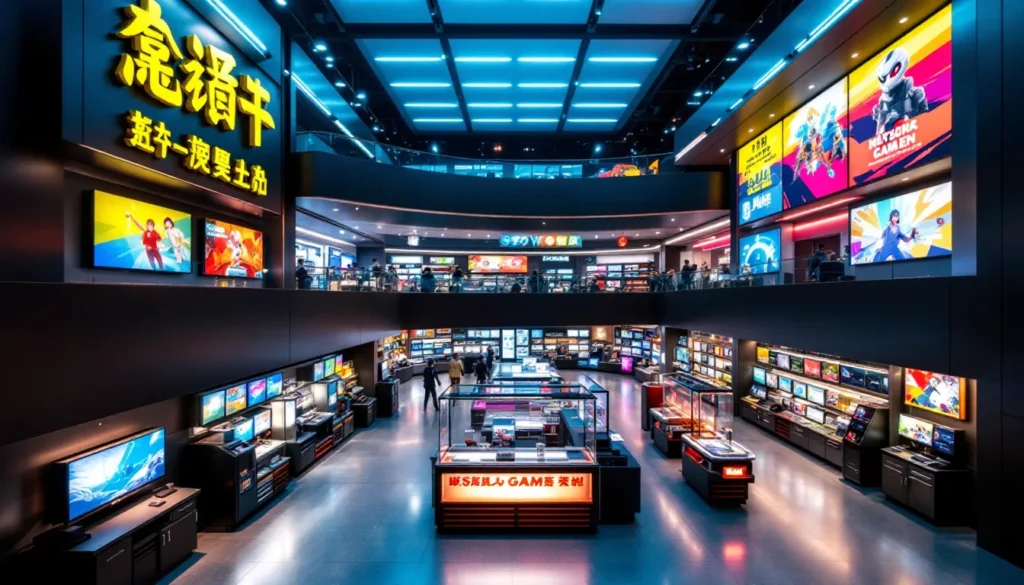
The Osaka Nintendo Store opened in November 2022 inside the Daimaru Shinsaibashi department store, occupying 1,700 square meters across the main and second floors. Unlike Tokyo’s perpetually crowded Shibuya store, Osaka’s layout prioritizes browsing comfort with wider aisles and dedicated zones for different franchises.
What sets this location apart is its Kansai-themed exclusives, merchandise featuring regional mascots like Takoyaki Mario or designs incorporating Osaka Castle motifs. These aren’t found in Tokyo or Kyoto. The store also hosts rotating pop-up sections dedicated to franchises like Splatoon, Animal Crossing, or Zelda, with themes changing every 8-12 weeks based on game releases and seasons.
The second floor houses an interactive zone where visitors can demo upcoming Nintendo Switch releases, participate in timed challenges for prizes, and photograph life-sized character statues. During major launch windows (like Tears of the Kingdom in May 2023 or the rumored Switch 2 era in late 2026), Osaka frequently receives playable demos simultaneously with Tokyo, making it a legitimate alternative for testing hardware and software without the Shibuya chaos.
Osaka’s staff also lean into the region’s reputation for hospitality. Expect more conversational interactions compared to Tokyo’s efficient-but-brisk service style. It’s a small touch, but it affects the overall vibe, especially if you’re spending 90+ minutes inside.
Location and How to Get There
The store sits inside Daimaru Shinsaibashi, a landmark department store in Osaka’s Chuo Ward at 1-7-1 Shinsaibashisuji. Shinsaibashi is Osaka’s primary shopping district, so you’ll already be near Dotonbori, the Glico Running Man sign, and dozens of arcades.
Accessing the Store via Train and Subway
The most efficient route is via the Osaka Metro Midosuji Line to Shinsaibashi Station. Take Exit 1 or Exit 10, both connect directly to the Daimaru building’s basement level. From the basement, escalators lead to the main floor where Nintendo signage guides you to the store entrance. Total walk time from station platform to store: under 5 minutes.
If you’re coming from Osaka Station (the main JR hub), take the Midosuji Line southbound for 7 stops, about 12 minutes. From Namba Station, it’s just one stop north. The Midosuji Line is Osaka’s busiest subway route, with trains every 3-5 minutes during daytime hours.
Alternatively, the Nagahoribashi Station (Sakaisuji Line and Nagahori Tsurumi-ryokuchi Line) is a 6-minute walk west. This station sees less tourist traffic, so it’s a solid backup if you want to avoid crowds.
Parking and Nearby Landmarks
Daimaru Shinsaibashi offers underground parking with 300 spaces, but weekend availability is unpredictable. Rates run ¥400 per 30 minutes. If you’re driving, arrive before 10 AM or use nearby lots like Times Shinsaibashi (¥300/30 min) two blocks south.
The store is a 3-minute walk from the Ebisubashi Bridge over the Dotonbori Canal, if you see the Glico sign, you’re about 400 meters away. It’s also adjacent to Shinsaibashi-suji Shopping Street, a covered arcade stretching 600 meters. You can combine your Nintendo trip with vintage game hunting at Super Potato Namba (15-minute walk south) or arcade sessions at Round1 Stadium (10 minutes east).
Store Hours and Best Times to Visit
The Osaka Nintendo Store operates daily from 10:00 AM to 8:00 PM, matching Daimaru’s department store hours. These hours hold even during Japanese national holidays, though expect reduced hours (10 AM–7 PM) on New Year’s Eve and Day.
Crowds peak between 11 AM and 3 PM on weekends, especially Saturdays. Tour groups from China, Taiwan, and Southeast Asia often arrive in waves during this window. If you’re after limited-edition items that restock Friday mornings, showing up at opening on Saturday guarantees disappointment, the serious collectors queue 30-60 minutes before doors open.
Optimal visiting times:
- Weekdays after 5 PM: Post-work locals thin out by 6 PM, leaving the store quieter than any weekend slot.
- Tuesday–Thursday mornings (10–11 AM): Minimal tourist traffic. You’ll have demo stations and photo ops mostly to yourself.
- First Monday of the month: New seasonal items often drop on the first Monday. Arrive at opening if you want first pick.
Avoid Golden Week (late April–early May), Obon (mid-August), and the week between Christmas and New Year’s. Wait times for entry can exceed 45 minutes during these periods, and popular merchandise sells out by noon.
For product launches tied to major Nintendo releases, the store sometimes implements a lottery system for entry or purchase rights. Check the official Nintendo Japan retail page two weeks before big releases to see if reservations or numbered tickets are required.
What to Expect Inside: Store Layout and Sections
The main floor is divided into four primary zones, each clearly marked with overhead signage in Japanese and English:
1. Character Merchandise Zone (Front-Left): Plushies, apparel, and accessories organized by franchise. Mario, Zelda, Animal Crossing, Splatoon, Kirby, and Pikmin each get dedicated shelving. Seasonal rotations happen here, during spring 2026, expect Splatoon 4 tie-ins if the rumored fall release holds.
2. Premium Collectibles (Center): Glass display cases holding higher-end items like figma figures, Nendoroids, and limited-run amiibo. Some items here are pre-order only and marked with reservation slips you take to the register.
3. Stationery and Lifestyle Goods (Right Side): Notebooks, pens, keychains, phone cases, kitchen goods, and home decor. This section often features Osaka-exclusive designs not available online or in other stores. Look for items marked with a red 「大阪限定」 (Osaka Limited) tag.
4. Checkout and Customer Service (Rear): Two register lines, one for tax-free purchases (passport required), one for standard transactions. Staff can hold items at the counter if you want to keep browsing.
The second floor houses interactive installations, a rotating pop-up space (recent themes included Tears of the Kingdom dioramas and Splatoon 3 ink-splatter walls), and 6-8 demo stations running current or upcoming Switch titles. Photo zones include life-sized Mario Kart replicas and AR-enabled backgrounds that composite your image into game scenes, files are sent to your phone via QR code.
Restrooms are located on the second floor. Daimaru’s food court is one floor up (third floor), useful if you need a break or want to stash purchases in a locker (¥300–¥500, located in Daimaru’s basement near the subway entrance).
Exclusive Merchandise You Can Only Find in Osaka
The real draw for collectors and tourists is the Osaka-exclusive lineup, which changes quarterly but maintains a core selection of region-locked items.
Regional Limited Edition Items
Takoyaki Mario plushie (¥2,200): A must-buy for first-time visitors. Mario dressed as takoyaki, complete with bonito flake details. Only sold in Osaka. Restocks happen Monday and Friday mornings, but stock usually lasts through the weekend unless a Japanese holiday hits.
Osaka Castle-themed tote bags and pouches (¥1,800–¥3,500): Designs featuring Link, Peach, or Isabelle in front of stylized Osaka Castle artwork. These rotate seasonally, spring 2026 versions include cherry blossom motifs.
Kansai dialect T-shirts (¥3,200): Shirts with Mario characters speaking in Osaka-ben (regional dialect). Phrases like “なんでやねん” (Nande yanen, roughly “What the heck?”) printed alongside character art. Sizes run small: if you’re a US Large, go for the XL.
Regional amiibo variants: Occasionally, Osaka receives small batches of amiibo with unique packaging or color variants. These are unannounced and sell out same-day. Ask staff at the premium collectibles counter if any “Osaka-only” amiibo arrived that week.
Seasonal and Collaboration Products
Nintendo collaborates with local Osaka brands 2-3 times per year. Past collaborations included Glico Pocky boxes with Animal Crossing designs (sold in-store only, ¥800) and Hanshin Tigers baseball caps with Mario branding during baseball season (¥4,500, sold out in 2025).
Seasonal items for 2026 include:
- Spring (March–May): Sakura-themed accessories, picnic sets, and pastel-colored plushies tied to hanami (cherry blossom viewing).
- Summer (June–August): Splatoon beach towels, festival happi coats, and waterproof pouches.
- Autumn (September–November): Halloween costumes (primarily for kids), Zelda autumn-leaf motif scarves, and limited Pikmin harvest goods.
- Winter (December–February): New Year’s lucky bags (fukubukuro), Christmas ornaments, and winter sports apparel.
For serious collectors, following the Japanese gaming community on Gematsu can provide advance notice of collaboration drops or special restocks.
Interactive Experiences and Photo Opportunities
The second floor’s interactive zone rotates themes every 2-3 months, timed with major releases or anniversaries. As of early 2026, the space features a Metroid Prime 4 installation (ahead of the game’s rumored Q3 2026 launch) with a replica Samus helmet you can wear for photos and motion-controlled arm cannon props.
Permanent photo spots include:
Giant Mario Kart statue: A 2-meter-long kart with Mario at the wheel. You can sit in the passenger seat for photos. Expect a short queue on weekends (5-10 minutes).
AR Photo Booth: Stand in front of the green-screen wall, scan the QR code with your phone, and the app composites you into scenes from Splatoon, Mario Odyssey, or Animal Crossing. The app is free, available in Japanese and English, and photos save directly to your camera roll, no email or account required.
Question Block Installation: A row of life-sized ? Blocks you can punch (they light up and play the coin sound effect). Popular with kids and nostalgic adults. Videos are encouraged.
Seasonal Dioramas: Glass-encased dioramas (roughly 3×4 meters) depicting scenes from current or upcoming Nintendo titles. Spring 2026 features a Tears of the Kingdom sky island recreation with Link gliding. These are updated quarterly.
All photo areas are free. Staff won’t take photos for you, but tripod mounts are built into some installations. Phone photography is encouraged: professional camera rigs or influencer lighting setups are discouraged but not banned.
Gaming Demos and Playable Stations
Six to eight demo stations on the second floor run a rotating selection of Nintendo Switch titles. As of March 2026, playable games include:
- Metroid Prime 4 (demo build, 15-minute timer)
- Splatoon 4 (rumored pre-release build if Nintendo confirms fall 2026 launch)
- Mario Kart 9 (if announced by mid-2026)
- Princess Peach: Showtime. (full game, no timer)
- Bayonetta Origins: Cereza and the Lost Demon (full game)
- Pikmin 4 (full game)
Each station uses a standard Nintendo Switch OLED model with Pro Controller option. Headphones are provided (wired, 3.5mm jack). Sessions are capped at 15 minutes during peak hours (weekends/holidays), but staff won’t enforce limits on weekdays if no one’s waiting.
The station lineup updates monthly, with priority given to upcoming releases within 3 months of launch. If you’re visiting Osaka specifically to demo an unreleased title, monitor announcements from sources like Nintendo Life to confirm the demo’s availability before traveling.
Multiplayer sessions are allowed, bring a friend and play Mario Kart or Splatoon head-to-head. But, online connectivity is disabled on all demo units.
For Switch 2 enthusiasts: If Nintendo launches new hardware in late 2026 as industry rumors suggest, Osaka will likely receive 2-4 demo units within the first week of release. Expect multi-hour queues and potential lottery systems for hands-on time.
Tips for International Visitors and Tourists
Osaka’s Nintendo Store is explicitly tourist-friendly, with several accommodations that make the experience smoother for non-Japanese speakers.
Tax-Free Shopping and Payment Options
International tourists can claim tax-free purchases (exempting Japan’s 10% consumption tax) on orders totaling ¥5,000 or more. Bring your passport, photocopies or digital scans won’t work. The tax-free register line is clearly marked near the rear of the main floor.
Staff will staple a tax-exemption receipt into your passport. You’re required to take purchased items out of Japan within 6 months and keep them unopened until you clear customs (though this rule is rarely enforced for small goods like keychains or apparel).
Accepted payment methods:
- Credit cards (Visa, Mastercard, JCB, American Express)
- Debit cards with Visa/Mastercard logos
- Mobile payment (PayPay, LINE Pay, foreigners can set up PayPay with a tourist SIM and credit card)
- Cash (Japanese yen only)
Credit cards are processed without issues, but some US-issued cards may trigger fraud alerts due to Japan location. Notify your bank before traveling. The store has an ATM on the Daimaru first floor (7-Eleven Bank, accepts most international cards, ¥220 fee per withdrawal).
Language Support and Store Etiquette
Roughly 40% of the staff speak conversational English, and all floor staff wear badges indicating language skills (English, Chinese, Korean). Signage is bilingual (Japanese/English), and product tags include English descriptions for most items.
If you need help finding an item or checking stock, approach staff with a photo on your phone, it’s faster than language attempts. Many tourists screenshot product photos from Siliconera or Japanese retailers before visiting, which works well.
Etiquette reminders:
- Don’t open packaged goods unless instructed by staff (some items have “try me” display versions).
- Keep voices low. Osaka is more relaxed than Tokyo, but loud behavior in retail spaces is still frowned upon.
- Queue properly. Single-file lines for registers and photo ops, even if it looks disorganized.
- Avoid blocking aisles while photographing merchandise. Step aside if someone needs to pass.
If you’re buying gifts for multiple people, ask for 「包装」 (housou) at checkout, gift wrapping is free for most items and adds a nice touch.
How the Osaka Store Compares to Tokyo and Kyoto Locations
Japan has three major Nintendo stores: Tokyo Shibuya (opened November 2019), Osaka Daimaru Shinsaibashi (November 2022), and Kyoto Takashimaya (October 2023). Each has distinct pros and cons.
Tokyo Shibuya:
- Pros: Largest selection, most frequent exclusive launches, hosts Nintendo Direct live-viewing events.
- Cons: Perpetually crowded. Weekend wait times for entry can hit 60+ minutes. Limited English support even though tourist volume.
Osaka Daimaru:
- Pros: Better crowd management, region-exclusive Kansai merchandise, strong English support, more spacious layout.
- Cons: Slightly smaller overall inventory than Tokyo. High-demand items (limited amiibo, collaboration goods) sometimes skip Osaka restocks.
Kyoto Takashimaya:
- Pros: Historic vibe (Kyoto is Nintendo’s birthplace), occasional Kyoto-exclusive designs (usually traditional Japanese motifs), quietest of the three.
- Cons: Smallest footprint, fewer demo stations, limited seasonal items.
Verdict for tourists: If you’re only visiting one, Osaka offers the best balance of unique merchandise, manageable crowds, and tourist infrastructure. Tokyo is worth it only if you’re already staying in Shibuya and don’t mind lines. Kyoto works if you’re a hardcore fan interested in Nintendo’s history and want a low-key experience.
All three stores carry core items (standard plushies, amiibo, apparel), so don’t stress about missing out on basics. The real differentiation is regional exclusives and crowd tolerance.
Must-Buy Items and Popular Products
Based on sales data and collector demand, these items are worth prioritizing:
Takoyaki Mario plushie (¥2,200): Osaka-exclusive. If you skip everything else, grab this. It’s become the de facto “I visited Osaka Nintendo Store” badge of honor.
Regional tote bags (¥1,800–¥3,500): Practical and exclusive. The Osaka Castle designs age well and make solid gifts.
Splatoon Inkling headphones (¥6,800): Over-ear headphones with Inkling tentacle styling and solid audio quality (comparable to mid-tier Sony or Audio-Technica models). Available at all stores but restocked more reliably in Osaka.
Zelda Master Sword letter opener (¥3,200): Metal, ~20cm long, functional and surprisingly sharp. Popular with collectors. Not exclusive but frequently out of stock in Tokyo.
Animal Crossing seasonal diorama sets (¥4,500–¥8,000): Pre-built miniature scenes with villager figures. Spring 2026 features cherry blossom picnic setups. Limited runs, usually 200–300 units per store per season.
Nintendo Switch carrying cases (¥2,800–¥5,500): Higher quality than third-party Amazon cases, with franchise-specific designs (Zelda gold triforce, Splatoon ink splatter, Mario red). The hard-shell versions (¥5,500) are worth the upcharge.
Kirby plushie collection (¥1,500–¥2,800): Various sizes and expressions. Kirby merch sells faster than other franchises even though less frequent game releases, fans are dedicated.
Don’t bother with:
- Basic amiibo cards (cheaper online and not exclusive)
- Generic Mario/Luigi caps (¥2,200, identical quality to Nintendo NY or third-party retailers)
- Keychains under ¥800 (the quality-to-price ratio doesn’t justify suitcase space)
If you’re budget-conscious, focus on Osaka-exclusive items first, then practical goods (cases, bags, apparel), then collectibles. Skip impulse buys on generic trinkets you can find elsewhere.
Planning Your Visit: What to Know Before You Go
Budget Expectations: Plan for ¥10,000–¥30,000 (roughly $65–$195 USD at March 2026 exchange rates) if you’re a moderate spender. Serious collectors or tourists buying gifts for multiple people can easily hit ¥50,000+.
Time Commitment: Allocate 90 minutes minimum. If you want to try all demo stations and explore thoroughly, budget 2–2.5 hours. Combine your visit with Dotonbori sightseeing and nearby arcades to fill half a day.
Storage: Daimaru has coin lockers (¥300–¥500) on the basement level near the subway entrance. Drop your bag before shopping if you’re carrying a backpack or suitcase.
Photography Rules: Photos are allowed throughout the store except inside the premium collectibles area (glass cases). Staff will politely stop you if you’re photographing rare items or price tags, likely to prevent reseller scalping intel.
Restocking Schedule: High-demand items restock Monday and Friday mornings around 10 AM. If you’re hunting something specific (limited plushies, Osaka exclusives, collaboration goods), arrive at opening on these days. Staff won’t confirm restock schedules over phone or email.
Purchases for Resale: Japan has been cracking down on reseller behavior in hobby stores. Buying excessive quantities of the same item (especially limited goods) may result in staff refusing the sale. Stick to 1-2 units per SKU if you’re buying gifts.
Shipping Services: The store doesn’t offer international shipping, but Daimaru’s customer service desk (third floor) can arrange domestic shipping within Japan. If you’re staying at a Tokyo or Kyoto hotel later in your trip, you can ship purchases ahead (¥1,200–¥2,500 depending on box size and destination).
Accessibility: The store is fully wheelchair accessible via elevator from Daimaru’s main entrance. Stroller parking is available near the second-floor entrance.
Nearby Alternatives: If the store is too crowded or you want more retro gaming, Super Potato Namba (15-minute walk) offers retro Nintendo hardware, games, and collectibles. Mandarake Umeda (20 minutes via subway) stocks used Nintendo goods and rare imports.
Conclusion
The Osaka Nintendo Store isn’t just a retail stop, it’s a calculated play by Nintendo to distribute fan traffic away from Tokyo while leaning into Kansai’s distinct regional identity. For tourists, that translates to shorter lines, better service, and merchandise you genuinely can’t find anywhere else. The Takoyaki Mario plushie alone justifies the subway trip.
Show up on a weekday morning if you value your time, bring your passport for tax-free savings, and don’t sleep on the second-floor demo stations, they’re low-key one of the best ways to try upcoming Switch titles before committing to a purchase. Whether you’re a completionist collector or a casual fan grabbing a souvenir, Osaka’s Nintendo Store nails the balance between tourist attraction and functional retail space.
Just don’t arrive at 2 PM on a Saturday and expect to have the place to yourself.