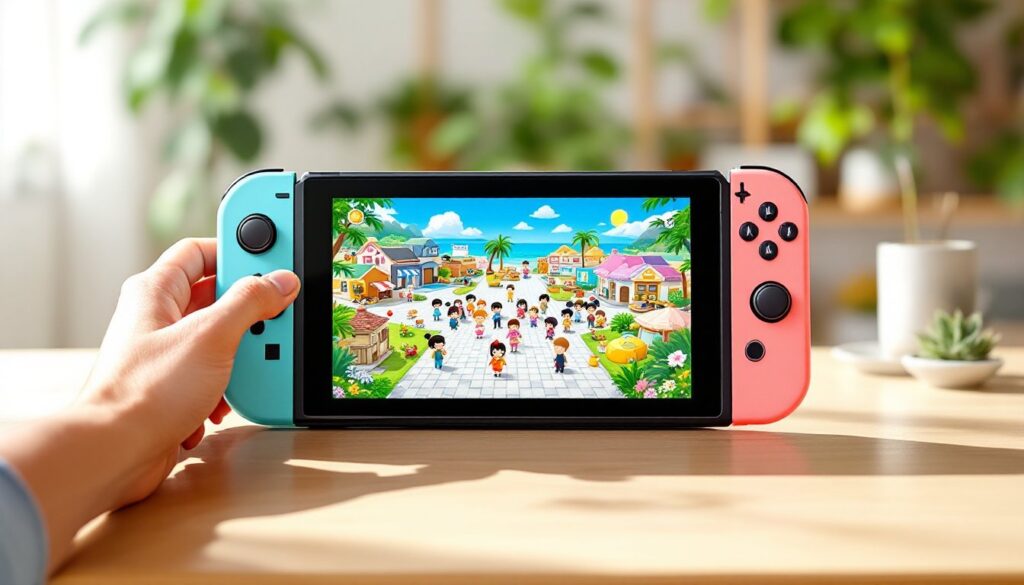
Tomodachi Life has carved out a unique niche in Nintendo’s library since its 2014 debut on the 3DS. This life-simulation game lets you populate an island with Mii characters and watch them form relationships, get into drama, and live out autonomous stories. With the release of Tomodachi Life: Living the Dream on Nintendo Switch in April 2026, the series gets a significant upgrade with expanded island building, deeper customization tools, and new social features. Whether you’re a longtime player returning for the Switch version or jumping in for the first time, understanding the core mechanics and optimization strategies will help you get the most out of your island community.
Key Takeaways
- Tomodachi Life: Living the Dream on Nintendo Switch brings quality-of-life improvements and new systems like Quik Build and Palette House that accelerate island progression and customization.
- The core appeal of Tomodachi Life is watching personalized Mii characters form genuine relationships and unpredictable social dynamics through emergent gameplay without direct scripting.
- Building a diverse cast of 10-15 Miis with different personality types early on maximizes social events, income potential, and relationship depth across your island.
- Each Mii has four core needs—food, clothing, housing, and social connection—and discovering their individual preferences unlocks bonus scenes and accelerates leveling significantly.
- Local wireless features in Living the Dream let you exchange Miis and custom creations with nearby players, unlocking region-exclusive content and multiplying endgame value.
- Tomodachi Life rewards daily engagement without demanding it, offering hundreds of hours of relaxing yet deeply personal gameplay as your island evolves through your creativity.
What Is Tomodachi Life?
Tomodachi Life is a life-simulation game where your personal Mii and characters you create populate an island and interact with minimal direct control from you. The original released on Nintendo 3DS in 2013 in Japan and 2014 worldwide, and became a cult classic for its unpredictable, often hilarious social dynamics. Fast forward to 2026, and Tomodachi Life: Living the Dream on Switch brings the franchise back with quality-of-life improvements and new systems.
The core appeal is watching personalized characters form genuine-feeling relationships through emergent gameplay. Your Miis don’t follow scripts, they have personalities, preferences, and wants that drive their actions. You help these interactions rather than choreograph them. The game runs in real-time simulation even when you’re not playing, so logging back in means discovering new drama, new couples, and new requests from your residents.
Core Gameplay Mechanics and Features
At its heart, Tomodachi Life operates on a simple loop: populate the island, respond to Mii requests, earn currency, spend it on items and upgrades, and watch relationship webs develop organically.
Your Miis have four core needs: food, clothing, housing, and social connection. They signal requests through events and short minigames, anything from asking you to settle an argument to requesting food recommendations. Completing these requests earns you in-game currency, which you reinvest into buying food, clothes, decorations, and expanding your island. In Living the Dream, this expands further with Quik Build (placing island facilities and decorations quickly) and Palette House (a custom creation tool for designing food, clothes, buildings, pets, and other items).
Relationship depth is where the magic happens. Miis befriend, argue, fall in love, date, and marry. You don’t directly control these outcomes, instead, you introduce characters to each other, give them gifts, teach them catchphrases, and offer advice when relationship trouble brews. Each Mii has one of 16 distinct personality types that influence their preferences and social tendencies, creating unpredictable chemistry between characters.
Creating and Customizing Your Characters
Living the Dream streamlines character creation with two paths: “Get help” walks you through guided questions about face shape, eyes, hairstyle, and other features, while “From scratch” lets you manually pick every detail using the customization menu.
You set height, body type, voice, pronouns, and dating preferences. The game now supports more inclusive options for identity and presentation. Personality is assigned via sliders or personality questions, which locks in one of the 16 types. Then you dress your Mii with purchasable outfits or custom-designed clothing, and decorate their apartment with furniture and decorations you buy or craft. The depth here means your island can genuinely feel like your world.
Building Relationships and Managing Social Interactions
The social simulation is Tomodachi Life’s heartbeat. Miis form friendships, rivalries, crushes, and romantic relationships based on personality compatibility and proximity. You can’t force these, you can only nudge them along.
When two Miis hit it off, they might confess friendship or love to each other. You then approve or reject the confession (rejecting is hilarious and unpredictable in outcomes). If they date, you eventually witness proposal scenes. Marriages unlock family events and new family units on the island. The game also features same-sex relationships and more flexibility in who can romance whom compared to earlier versions.
Gifting is strategic. Learn what each Mii likes, certain foods, clothing colors, or item types, and gifts boost their happiness and level. As Miis level up, they unlock new appearances, skills, and special events. Leveling also occasionally grants you rare items or bonuses. Catchphrases are another tool: teach a Mii a funny phrase, and they’ll use it constantly in conversations with others, often leading to contagious adoption of the phrase across your island.
The emergent storytelling here is why veterans keep returning. You might create characters based on celebrities or fictional characters and watch them interact in completely unexpected ways. A rival pairing might suddenly start dating. Two best friends might have a massive fight over nothing. These unscripted moments are what make the game memorable.
Essential Tips for Maximizing Your Island Experience
To get the most out of Tomodachi Life: Living the Dream, adopt these strategies early:
Populate the island quickly. Add diverse Miis across different personality types in your first week. More residents mean more events, more income, and richer social dynamics. Aim for at least 10-15 characters before focusing on leveling.
Check apartments and facilities daily. Miis make requests constantly, food cravings, housing complaints, relationship advice. Responding quickly keeps happiness high and ensures steady currency income. Set a routine of checking in once daily, even if it’s just a few minutes.
Experiment with food and clothing. Each Mii has preferences. A Mii who loves spicy food will request it repeatedly: they level faster when you provide it. Similarly, certain colors or clothing styles resonate with specific personality types. Discovering preferences unlocks bonus scenes and speeds up leveling.
Prioritize level-up rewards. As Miis level, you unlock special items like travel tickets, rare clothes, or useful gifts. These aren’t just cosmetic, travel tickets let Miis visit other islands or return with new friendship stories. Strategic gifting of level rewards accelerates unlock of new island features.
Use Quik Build and Palette House. In Living the Dream, these are game-changers. Quik Build lets you rapidly expand and redesign your island layout. Palette House lets you craft custom food and items that match your Miis’ exact tastes, dramatically speeding up happiness and level progression. Investing in these tools early pays dividends.
Unlocking Special Events and Rare Features
Tomodachi Life gates progression through time, relationships, and levels. Understanding these unlock triggers helps you plan your island efficiently.
Time-based events are tied to specific times of day or days of the week. Certain shops open at particular hours. Special items appear seasonally or on holidays. Saturday night features more social events like concerts or parties. Understanding the schedule lets you farm high-value events.
Relationship milestones unlock as Miis reach dating thresholds. Confessions, dating scenes, proposal ceremonies, and wedding events are locked behind relationship progression. Some events are so rare they require specific personality combinations, creating the right Mii pairs is part of the metagame.
Level progression unlocks island amenities. As your Miis collectively level up, you unlock new roads, decorative items, playground objects, and additional Palette House creation options. There’s no hard cap, progression stays rewarding for hundreds of hours.
Local wireless (Living the Dream only) adds social depth. You can exchange Miis and custom Palette House creations with nearby players. This introduces items not yet in your shops, accelerating variety and unlocking region-exclusive content. Finding communities of players amplifies the endgame significantly. You can explore comprehensive Tomodachi Life guides for step-by-step walkthroughs of specific events, or check Japanese gaming coverage for interviews with developers about future content plans.
For deeper technical insights on the franchise, game news sites often cover Tomodachi Life updates and regional release details that affect item availability and events.
Conclusion
Tomodachi Life: Living the Dream succeeds because it respects your imagination. It gives you tools to create characters and spaces, then steps back and lets emergent storytelling take over. There’s no winning, only building and watching your island evolve. Whether you’re optimizing for relationship unlocks, customizing your island’s layout, or simply checking in daily to see what drama has unfolded, the game rewards engagement without demanding it. For gamers seeking a relaxing yet deeply personal experience on Nintendo Switch, it remains a must-play life-simulation that grows richer the more you invest in it.