The Nintendo Switch Lite has carved out its own niche in the handheld gaming space since its launch, and it’s still one of the most compelling options for gamers who prioritize portability and affordability. If you’re considering picking one up or you already own one, there’s a lot to understand about what makes this device different from the standard Nintendo Switch and newer iterations like the Nintendo Switch 2. This guide covers everything you need to know about the Switch Lite in 2026, from its standout features and durability to the best games that showcase what it can do, plus practical tips for getting the most out of your experience. Whether you’re a casual player or a commuter looking for solid on-the-go entertainment, we’ll break down what really matters.
Key Takeaways
- The Nintendo Switch Lite remains a compelling choice for gamers prioritizing portability and affordability, offering a self-contained, lightweight design without TV docking functionality.
- Switch Lite delivers identical processing power and game performance to the standard Nintendo Switch, making the smaller 5.5-inch screen a design choice rather than a performance limitation.
- Turn-based and story-driven games like Pokémon Legends: Arceus and Disco Elysium shine on the Switch Lite’s intimate handheld experience, while action titles like Celeste and Splatoon 3 also run smoothly.
- Battery life averages 5-5.5 hours under normal use, and can be extended by reducing screen brightness and carrying a small USB-C power bank for day-long gaming sessions.
- Essential Switch Lite accessories include a protective hard case, a 128GB+ microSD card for game storage, and optional tempered glass screen protectors to maintain durability.
- Joy-Con drift and screen scratches are the primary concerns, but both issues are manageable through Nintendo’s warranty service, third-party replacements, or protective cases.
What Makes The Switch Lite Stand Out From Other Handhelds
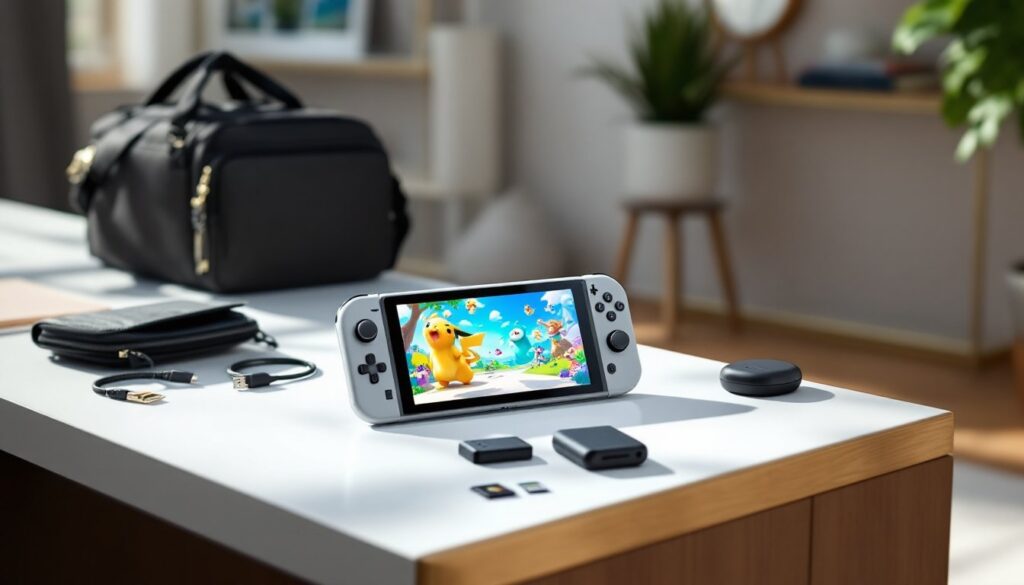
The Switch Lite is deliberately designed as a games-only handheld, it doesn’t dock to a TV or swap controllers like the standard Nintendo Switch. That’s not a limitation: it’s the entire philosophy. You get a self-contained device that’s lighter and smaller, which matters when you’re carrying it in a bag or pocket for hours.
Compared to other handhelds like the Steam Deck or older systems, the Switch Lite’s appeal centers on Nintendo’s exclusive library, battery efficiency, and built-in durability. It’s also significantly cheaper than alternatives, which matters for players who want access to Nintendo Switch Online for multiplayer without a massive upfront investment. The fact that it plays the entire Nintendo Switch game library (except a handful of titles requiring detachable controllers) means you’re not sacrificing much in game selection.
The real question gamers ask: how does it stack up against future hardware? The Nintendo Switch 2 will likely offer better performance and new features, but the Switch Lite remains the portable-focused choice. If you prioritize a smaller footprint and lower price over cutting-edge specs, the Lite delivers exactly what it promises.
Design, Durability, And Performance Essentials
Build quality on the Switch Lite is solid. The device weighs just 5.1 ounces, making it lighter than most phones, with a compact 5.5-inch screen that dominates the design. The controls feel responsive, and the overall construction holds up to regular use, many owners report years of reliable performance without issues.
Durability concerns mainly revolve around the screen and drift issues (a known problem affecting Nintendo Joy-Con controllers across all Switch models). The screen itself is Gorilla Glass-protected and reasonably scratch-resistant if you use a protective case, which most owners do. Battery degradation is minimal over time compared to older handheld systems.
Performance-wise, there’s no difference between the Switch Lite and the standard Nintendo Switch in terms of processing power, both use the same NVIDIA Tegra processor. Games run at identical frame rates and resolution (mostly 30 fps at 720p, some titles hit higher specs). What changes is the smaller screen, which can make some games feel tighter visually but doesn’t impact actual performance. The 64GB of internal storage (with microSD expandability) is standard across Switch models, so you’ll definitely need a microSD card for a meaningful library.
Games That Shine On The Switch Lite
Must-Play Titles And Hidden Gems
The Switch Lite thrives with certain games more than others. Turn-based or slower-paced titles feel right at home on the smaller screen because you’re not missing quick reaction-dependent visuals. Games like Pokémon Legends: Arceus, Fire Emblem: Three Houses, and the Xenoblade Chronicles series benefit from the intimate handheld experience.
Action games still work well, Hollow Knight, Celeste, and Dead Cells are outstanding on the device. Fast-paced shooters like Splatoon 3 run smoothly, though you’ll notice the smaller screen demands closer attention. The Legend of Zelda: Tears of the Kingdom and Breath of the Wild are phenomenal on the Lite: the reduced screen size never feels like a compromise.
Hidden gems worth playing: Loop Hero, Hades, Doki Doki Literature Club Plus, and Unpacking showcase what indie games can do on the platform. Story-driven titles like Disco Elysium and 13 Sentinels: Aegis Rim absolutely shine on a personal handheld where you can focus without distraction.
If you’re into multiplayer, games supporting local wireless like Mario Kart 8 Deluxe and Super Smash Bros. Ultimate are fantastic on the Lite, though you’ll need additional controllers. Games requiring detachable Joy-Con controls (rare anymore) won’t work, but that’s a tiny subset of the library.
Battery Life And Portability Tips
The Switch Lite gets roughly 5-5.5 hours of battery life per charge under normal use, though this varies based on the game you’re playing and brightness settings. Demanding titles like The Legend of Zelda: Tears of the Kingdom consume more power and can drop you closer to 4.5 hours, while lighter titles push toward 6 hours. That’s solid for a dedicated handheld and better than what older portables offered.
To extend battery life, dial down screen brightness to 50% if you’re playing in dim environments, you’ll barely notice the difference and gain 30 minutes to an hour. Using a quality microSD card also helps avoid battery drain from constant storage access. Keep the device cool: it throttles performance if it overheats, which wastes battery.
For portability, a protective case is non-negotiable. Brands like Hori and Spigen make thin cases that barely add weight. A small battery pack (5000mAh USB-C) fits in any bag and gives you a full recharge for just a few dollars. Unlike the standard Nintendo Switch, you won’t need to carry a dock or worry about detached controllers, making the Lite genuinely more portable. Pack the charger separately and you’re ready for day-long sessions.
Common Switch Lite Issues And Solutions
Joy-Con drift remains the most widespread issue. This manifests as unintended stick movement even when you’re not touching the controller. Nintendo offers free replacements under warranty, and third-party controller replacements (like 8BitDo) are available if you’re out of warranty. Some users report that letting the device sit in a warm environment temporarily reduces drift, though it’s not a permanent fix.
The screen occasionally develops dead pixels on some units, usually visible right out of the box rather than developing over time. If this happens, contact Nintendo immediately for replacement, it’s typically covered.
Battery degradation is slow but noticeable after 2-3 years of heavy use. You might lose 10-15 minutes of battery life, which is normal for lithium batteries. Battery replacement is possible through Nintendo’s service, though it’s cheaper to just carry a power bank.
Connectivity issues with Nintendo Switch Online are usually tied to your network, not the device. Restart both your router and the Switch, and make sure you’re within range. If problems persist, factory reset isn’t usually necessary, most issues resolve with a power cycle.
The screen can scratch if you don’t use a case, and the dock (if you later buy one for a standard Switch) won’t work with the Lite. These aren’t defects: they’re design limitations worth knowing before purchase.
Accessories Worth Your Investment
A protective case is the only essential accessory. Hard shells absorb drops better than pouches, and they’re worth the $15-30 investment. Brands like Hori and PowerA make quality cases designed for the Lite’s exact dimensions.
A microSD card (128GB or 256GB) is practical, not optional. The internal 64GB fills quickly with modern games, and having expandable storage lets you build a real library without constantly deleting titles. Samsung and SanDisk cards are reliable and won’t damage the device.
Tempered glass screen protectors protect against scratches without affecting screen responsiveness. They’re inexpensive and honestly useful if you’re traveling frequently.
Controllers depend on your game library. If you play titles requiring a second controller, investing in official Joy-Cons or third-party alternatives (8BitDo makes excellent replacements) is worthwhile. Standalone controllers are cheaper than buying a second pair.
A USB-C power bank (5000mAh minimum) extends your play sessions without needing a wall outlet. This isn’t a must-have, but it’s incredibly useful for travel or long commutes. Skip the dock unless you later upgrade to a standard Nintendo Switch.