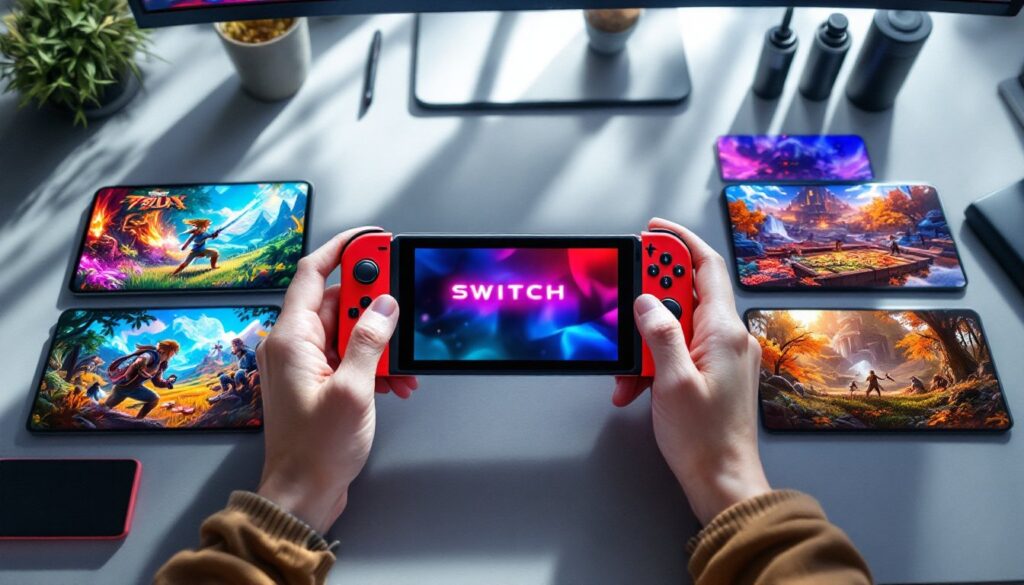
The Nintendo Switch continues to dominate the portable gaming landscape in 2026, with an unmatched library spanning action-packed adventures, deep RPGs, and charming indie titles. Whether you’re upgrading from an older system, hunting for your next obsession, or just curious what’s worth your time and money, finding the right Nintendo Switch games can feel overwhelming. This guide cuts through the noise and highlights the standout titles across every genre and playstyle, so you can skip the duds and jump straight into experiences that’ll actually grip you.
Key Takeaways
- Nintendo Switch games span diverse genres—from action-adventure and story-driven RPGs to cozy indie titles—making it easy to find experiences matched to your playstyle and available time.
- Flagship action-adventure titles like The Legend of Zelda: Tears of the Kingdom, Metroid Prime Remastered, and Monster Hunter Rise demand pattern recognition and tactical skill while respecting player investment.
- Story-focused RPGs such as Xenoblade Chronicles 3, Persona 5 Royal, and Fire Emblem: Three Houses offer 60–100+ hour narratives with character arcs that stick long after the credits roll.
- Indie gems like Hades, Hollow Knight, Celeste, and Stardew Valley prove that smaller studios can create experiences rivaling AAA games through brilliant level design and meaningful progression systems.
- Multiplayer titles including Mario Kart 8 Deluxe, Super Smash Bros. Ultimate, and Overcooked All You Can Eat are purpose-built for social moments and leverage the Nintendo Switch’s strengths as a social gaming machine.
- Matching a game to your actual habits—playstyle, available time, and preference for challenge or relaxation—matters more than hype, ensuring you finish and enjoy your Nintendo Switch experience.
Action and Adventure Titles You Can’t Miss
If you want your hands full with combat, exploration, and adrenaline, the Switch‘s action-adventure lineup delivers. The Legend of Zelda: Tears of the Kingdom remains the flagship experience, it’s the sequel to Breath of the Wild and doubles down on physics-based puzzles, open-world exploration, and that addictive “what if I try this?” gameplay loop. Expect 50+ hours if you’re thorough.
Metroid Prime Remastered brings the iconic sci-fi series to life with first-person exploration and lock-on combat that feels sharp even in handheld mode. It’s less about button-mashing and more about reading enemy patterns and positioning. Bayonetta 3 is pure spectacle, stylish combo-heavy combat with jaw-dropping setpieces, though it demands frame-rate patience on Switch hardware.
For something grittier, Monster Hunter Rise offers hundreds of hours of boss-hunting loops where every monster demands respect and tactical loadouts. The learning curve is steep, but the payoff is immense once weapon mechanics click. Meanwhile, Super Smash Bros. Ultimate shouldn’t be overlooked for its single-player content: the campaign lets you master every fighter without pressure. These titles share one trait: they respect your time and skill.
Story-Driven RPGs Worth Every Hour
When you want narrative weight alongside turn-based or real-time combat, Switch RPGs deliver character arcs that stick with you long after credits roll. Xenoblade Chronicles 3 is the series’ largest installment, 60+ hours of world-hopping combat, complex party dynamics, and a story that escalates dramatically. It’s dialogue-heavy, so bring patience for monologues, but the payoff justifies it.
Fire Emblem: Three Houses locks you into a single playthrough at first, but the permadeath mechanic in Classic Mode and three diverging storylines make replays essential. You’ll spend time managing a military academy between battles, which sounds tedious but becomes weirdly absorbing. Persona 5 Royal is the gold standard for story-driven JRPGs, 100+ hours of high-school slice-of-life interrupted by demon-heisting dungeons. The writing is sharp, the soundtrack is unforgettable, and the character chemistry feels genuine.
Paper Mario: The Thousand-Year Door leans into dialogue and humor over combat complexity. It’s pure charm paired with creative battles that use the environment. Dragon Quest XI S offers a more traditional JRPG structure, grinding, turn-based fights, and that familiar sense of epic progression. These aren’t “story games where you hold a button”, they’re interactive narratives where your choices matter or where systems reward your engagement.
Indie Gems That Rival AAA Games
Some of the best Switch experiences come from smaller studios punching way above their weight. Hades redefined roguelikes by making every failed run feel meaningful, you unlock story snippets, weapons, and character dialogue with each death. Hundreds of runs later, you’ll still be discovering new dialogue trees.
Hollow Knight is a brutal metroidvania that respects player skill. Bosses don’t have gimmicks: they have real attack patterns you must learn. It’s difficult but fair, and speedrunners still compete for records. Celeste teaches precision platforming through brilliant level design, every mechanic is introduced, tested, and mastered before moving on. The assist mode lets you customize difficulty, which is refreshing.
Stardew Valley is the cozy farming sim that proves you don’t need action to hook players. You’ll lose entire evenings to crop management, fishing, and romancing NPCs. Dead Cells blends roguelike progression with metroidvania exploration, you’ll unlock permanent upgrades that slowly unlock new areas, rewarding repeated runs with tangible progress.
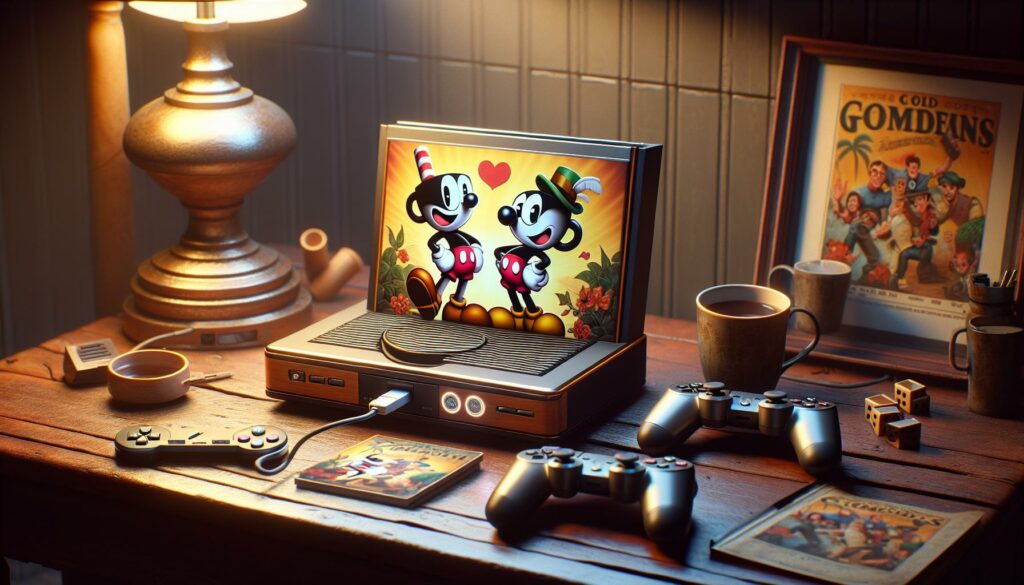
Cuphead demands you master cuphead’s charm and challenge through its rubber-hose cartoon aesthetic paired with genuinely punishing boss fights. None of these titles feel like compromises: they’re just smaller in scope but massive in execution.
Multiplayer and Social Gaming Experiences
The Switch thrives as a social machine, and these titles leverage that strength. Mario Kart 8 Deluxe remains unmatched for local multiplayer chaos, 16 characters, 48 tracks, and enough rubber-band AI to keep everyone competitive. It’s the go-to party game, period.
Super Smash Bros. Ultimate with friends is peak fighting-game fun, especially if everyone’s at similar skill levels. Casual mode levels the playing field: competitive mode rewards mastery. Splatoon 3 is the competitive team shooter designed around console play, ink-based mechanics feel fresh, and ranked matches reward positioning and communication. The skill ceiling is steep but rewarding.
Animal Crossing: New Horizons lets you build islands cooperatively, trade items, and simply exist together without pressure. Super Mario Party works best with 4 players, the mini-games are genuinely fun, and the chaos keeps everyone engaged. Overcooked. All You Can Eat is co-op perfection: it’s local multiplayer designed to create memorable moments (and friendly arguments) as you manage kitchen chaos together.
Family-Friendly Games for All Ages
Not everything on Switch demands twitch reflexes or dark themes. Super Mario Bros. Wonder is pure platforming joy, the power-ups are creative, the level design is clever, and the difficulty curve is perfect for teaching fundamentals before ramping up. It’s accessible to 6-year-olds and challenging enough for veterans.
Kirby and the Forgotten Land offers 3D platforming with copy-ability, each enemy type Kirby absorbs creates a unique attack pattern. It’s colorful, intuitive, and packed with post-game challenges. Luigi’s Mansion 3 is a ghost-hunting adventure that balances humor, exploration, and simple but satisfying puzzle-solving. Kids love the comedic tone: parents appreciate the creative level design.
Pikmin 4 is real-time strategy for people who’ve never played an RTS. You command adorable plant creatures through environments, solving puzzles and managing resources. It’s contemplative, rarely punishing, and weirdly addictive. When researching Nintendo Switch storage size needs, remember that family-friendly titles often take less space than AAA games, making them ideal for younger players sharing a console.
How to Choose the Right Game for Your Playstyle
Here’s the reality: the “best” game is the one you’ll actually finish. Start by identifying your playstyle:
Action-focused: Grab Zelda, Bayonetta, or Metroid if you want reflexes tested and combat depth rewarded.
Competitive: Smash Bros., Splatoon 3, and Mario Kart 8 Deluxe demand mastery and punish sloppiness, pick one and grind.
Story-obsessed: Xenoblade Chronicles 3, Persona 5 Royal, and Fire Emblem: Three Houses will consume 80+ hours each. Plan accordingly.
Relaxed/cozy: Animal Crossing, Stardew Valley, and Pikmin 4 have no failure states, just log in when you want and progress at your pace.
Co-op/social: Super Mario Party, Overcooked, and Mario Kart are built for shared moments. These shine with friends in the room.
Challenge-based: Hades, Hollow Knight, and Dead Cells reward pattern recognition and persistence, you’ll die often and improve with each attempt.
Consider also whether the Nintendo Switch 2 release window matters, if you’re thinking of upgrading soon, some titles benefit from enhanced hardware. Most Switch games remain playable on older models, but performance varies. Check specifications when researching on gaming news sites like Nintendo Life’s Switch game guides or IGN’s updated roundup. Match the game’s pacing to your life: if you have 30 minutes daily, pick something with natural stopping points. If you’re diving into a 100-hour JRPG, block out real time.
Conclusion
The Nintendo Switch library in 2026 is deeper than ever. Whether you’re chasing action-adventure thrills, narrative-driven journeys, indie ingenuity, multiplayer chaos, or family comfort, there’s something built for you. Your next obsession might cost $60 or $15, demand 10 hours or 150, and live in your handheld or dock. The key is matching the game to your actual habits and preferences, not hype or reviews. Pick one that aligns with your playstyle, immerse, and enjoy.